 Cheltenham Hub
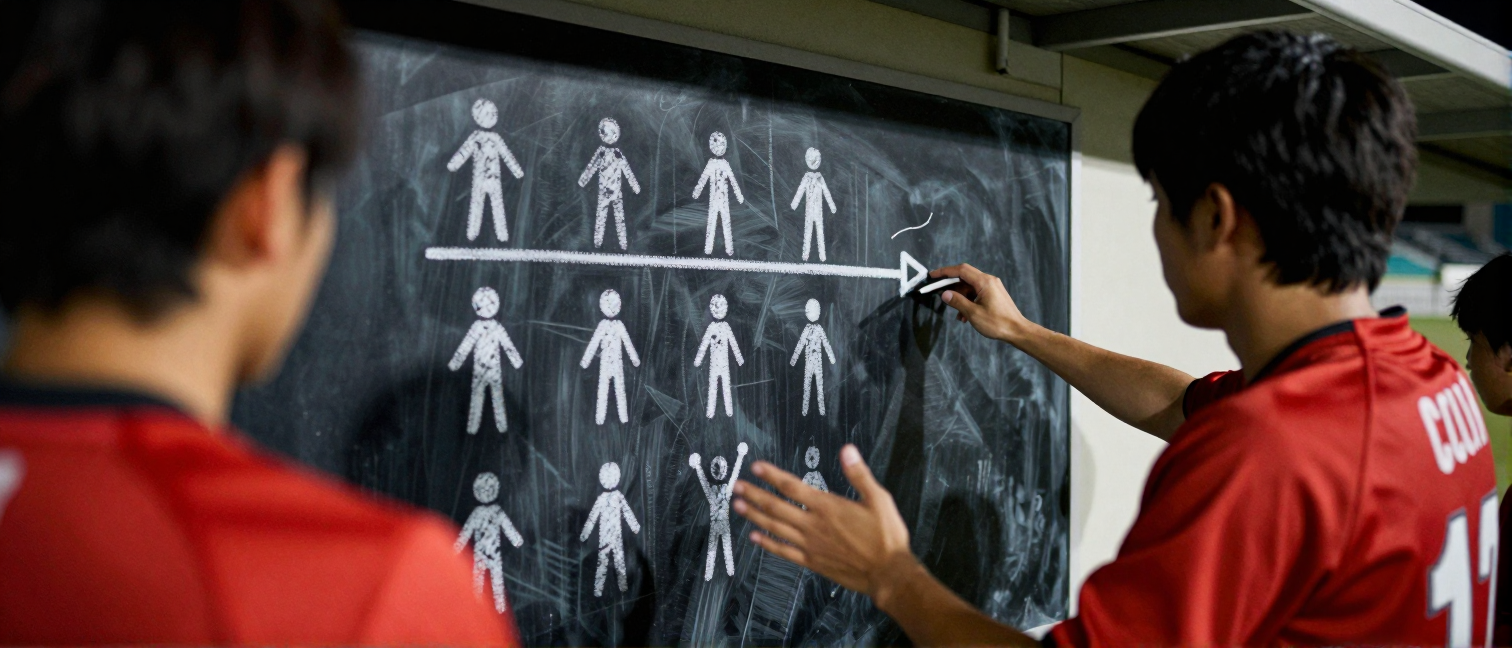
Steady rain blanketed the South Stand during the recent fixtures, providing a backdrop to Cheltenham FC's tactical maneuvers. Under the guidance of Coach Wade Elliott, the team has adopted a fluid formation that switches between 4-4-2 and 3-5-2, allowing them to adapt as the match unfolds. This tactical flexibility has become a hallmark of their play this season.
One standout match was against Tranmere Rovers, where Elliott's strategy paid dividends. The Robins dominated possession, utilizing width and rapid transitions to create scoring opportunities. By employing two strikers, J. Davison and J. Bickerstaff, up front, Cheltenham effectively stretched the opposition's defense. This tactic led to a well-crafted goal by Bickerstaff, which ignited the crowd's passion.
Analyzing player roles, Harry Ashfield's contributions in midfield have been crucial. His ability to break up opposition plays while supporting offensive transitions exemplifies the balance Cheltenham seeks. The workforce in midfield offers both defensive stability and a springboard for counter-attacks. It's not just about having skilled players; tactical cohesion has driven their success.
As the season progresses, Cheltenham's ability to adapt tactically will be tested against stronger contenders in League Two. Players' understanding of Elliott's vision will be essential if they wish to cement their position in promotion contention. The Robins look to rally, and with their tactical edge, they might just have what it takes to clinch a coveted playoff spot.