 Cheltenham Hub
Cheltenham Town, affectionately known as The Robins, has faced an up-and-down start to their League Two campaign this season. While there have been glimpses of potential, the team has struggled to find consistency, often leaving fans wanting more. A tactical analysis of recent performances reveals areas for improvement, and small adjustments could significantly enhance their game.
Recent Form: A Mixed Bag
In their recent outings, Cheltenham has shown a blend of resilience and vulnerability. The defensive shape, often a hallmark of Steve Cotterill's management, has been reasonably solid in parts, but there have been lapses that have cost crucial points. The back four, anchored by J. Day’s heroics, has kept the team in matches, but the transition from defense to attack has often been sluggish, leading to missed opportunities and frustration for fans.
Midfield Dynamics
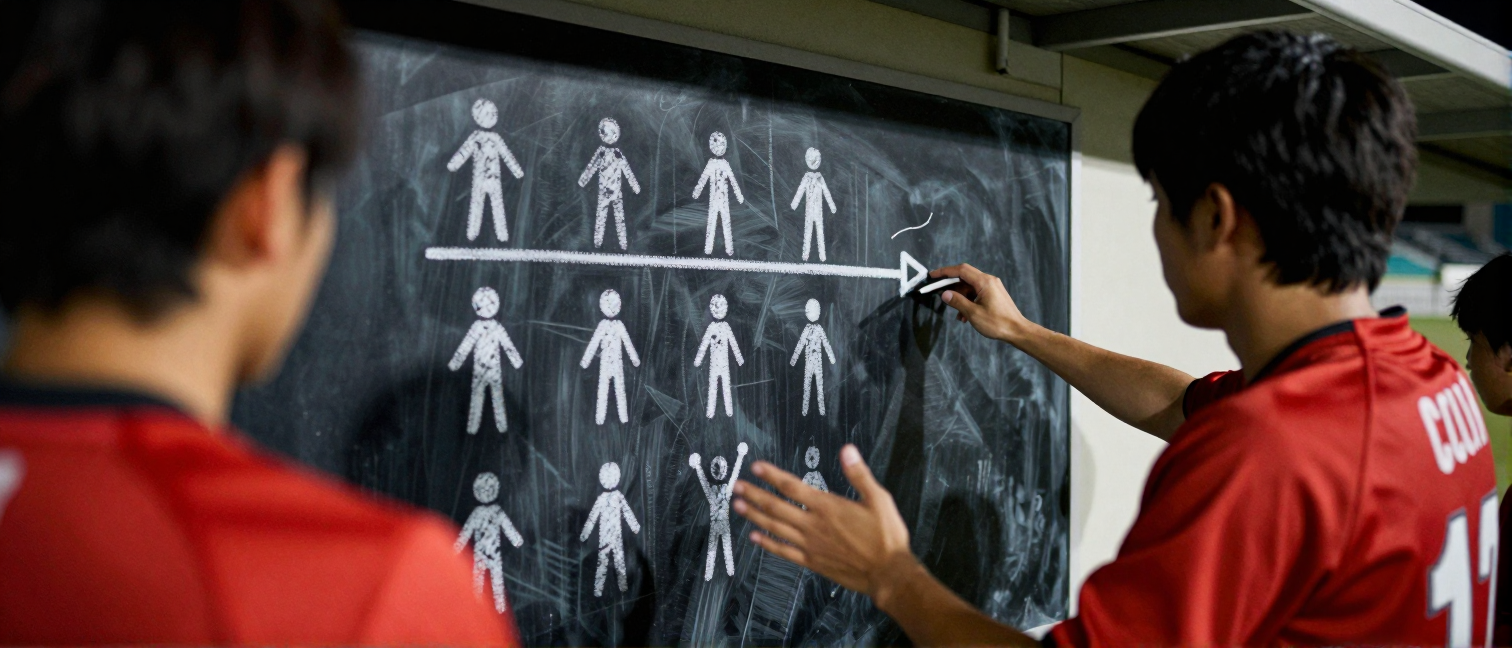
One of the key areas where Cheltenham can tweak their tactical setup lies in the midfield. The current formation, often resembling a 4-2-3-1, has at times lacked dynamism and creativity, particularly when transitioning from defense to attack. Introducing a more fluid midfield trio, potentially shifting to a 4-3-3 or even a diamond formation, could allow for greater interplay and movement. This would facilitate better link-up play between the midfield and the forwards, helping to exploit spaces in opposition defenses more effectively.
Wing Play and Full-Back Involvement
Another aspect to consider is the utilization of width. Cheltenham's wingers have shown flashes of brilliance, but their impact can be inconsistent. Encouraging full-backs to overlap and provide width could stretch the opposition and create additional space for the wingers to operate. This tactical tweak could also help in defensive transitions, as full-backs can quickly retreat to form a compact shape when possession is lost.
Pressing and Defensive Cohesion
Defensively, while Cheltenham has exhibited a solid structure, the pressing could be more coordinated. Enhancing communication and training the forwards to initiate a higher press could put more pressure on opposing defenders, forcing errors and creating goal-scoring opportunities. A well-timed press, particularly in the opposition's half, could reinvigorate Cheltenham’s attacking philosophy and keep the opposition on the back foot.
Player Roles and Responsibilities
Furthermore, refining player roles within the team can also yield positive results. For instance, if J. Davison is utilized as a more roaming forward rather than a fixed striker, it could allow him to exploit spaces and create mismatches against defenders. Similarly, ensuring that defensive midfielders are not just sitting deep but are also encouraged to break forward and support attacks can add another layer to Cheltenham's game.
Conclusion
In summary, while Cheltenham Town has shown resilience and determination, there are tactical adjustments that could enhance their performance and standing in League Two. By refining their midfield dynamics, improving wing play, enhancing pressing strategies, and clarifying player roles, The Robins can look to secure more consistent results as they push towards the upper echelons of the league. As the season progresses, adapting to these challenges will be crucial for Steve Cotterill and his squad to maintain a competitive edge.